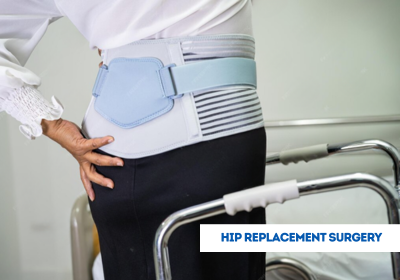





Hip Replacement Surgery

Hip replacement surgery is a highly effective procedure designed to relieve pain, improve mobility, and restore function in patients with severe hip joint damage. During the surgery, the damaged bone and cartilage are replaced with artificial implants made of metal, ceramic, or plastic. Hip replacement surgery in India, Turkey, Thailand, Dubai, and other countries is sought by international patients for access to world-class orthopedic care, modern medical facilities, and highly skilled surgeons, making it a trusted and cost-effective option compared to Western countries.

[Book Consultation & Get Treatment Quote – India | Turkey | Thailand | Dubai]

What is Hip Replacement Surgery?

Hip replacement surgery (also called total hip arthroplasty) involves replacing the damaged hip joint with an artificial one. It is recommended for patients with chronic hip pain, arthritis, or joint degeneration that does not respond to medication or therapy.

There are two main types of hip replacement procedures:

  • Total Hip Replacement: Both the acetabulum (hip socket) and femoral head are replaced.
  • Partial Hip Replacement: Only the femoral head (ball) is replaced.

Hip Replacement Surgery – Estimated Cost

The cost for hip replacement surgery may change depending on the hospital, complexity of the operation, patient condition, and the surgeon’s expertise. Below are approximate costs for hip replacement surgery in India, Turkey, Thailand, and Dubai:

Country Approximate Cost
India USD 5,000 – 12,000
Turkey USD 10,000 – 22,000
Thailand USD 12,000 – 25,000
Dubai USD 18,000 – 35,000

Note: Above costs for hip replacement surgery are estimated. Reach out to EdhaCare for exact pricing and personalized guidance.

Premier Hospitals in India for Hip Replacement Surgery

EdhaCare introduces the best hospitals in India for hip replacement surgery, helping you find the top hospitals for hip replacement surgery in India known for expert orthopedic care, advanced joint replacement technology, and specialized surgical treatment options.

Hospital Name Location
Healing Hospital Chandigarh
Asian Institute of Medical Sciences Faridabad
Manipal Multispeciality Hospital Patiala, Punjab
Medanta Hospital Gurugram
Medicover Hospital Hyderabad

Renowned Doctors in India for Hip Replacement Surgery

Connect with the best doctors in India for hip replacement surgery, chosen by EdhaCare for their experience and excellence. These top doctors for hip replacement surgery in India offer state-of-the-art procedures with safe, effective, and reliable results.

Doctor Name Hospital Name Location
Dr. Hitesh Garg Artemis Gurugram
Dr. Tanna DD Jaslok Mumbai
Dr. Ashok Rajgopal KIMS Trivandrum
Dr. Neeraj Srivastava Fortis Mumbai
Dr. Avtar Singh Max Amritsar

Causes That Lead to Hip Replacement

  • Osteoarthritis (age-related joint wear and tear)
  • Rheumatoid arthritis (autoimmune joint damage)
  • Hip fractures or injuries
  • Avascular necrosis (reduced blood flow causing bone death)
  • Congenital hip deformities

Early hip replacement surgery in india can significantly improve mobility and quality of life.

Symptoms That Indicate the Need for Hip Replacement Surgery

  • Persistent hip pain that limits walking or daily activities
  • Stiffness in the hip joint
  • Pain even while resting or at night
  • Difficulty climbing stairs or bending
  • Reduced mobility and flexibility

Pre-Surgery Evaluation and Diagnostics

Before the surgery, a detailed assessment is done to ensure the patient is fit for hip replacement surgery. This includes:

  • medical history and physical examination,
  • X-rays or MRI scans of the hip,
  • blood tests and ECG, and
  • discussion of existing medications and health conditions.

The aim of pre-surgery evaluation and diagnostics is to create a clear picture of the hip joint’s condition and to evaluate the overall health of the patient.

Who Needs Hip Replacement?

Hip replacement is usually recommended for patients who:

  • have chronic hip pain that interferes with daily activities.
  • experience reduced range of motion or stiffness in the hip.
  • do not get relief from physical therapy, medications, or walking aids.
  • have conditions like:
    • osteoarthritis,
    • rheumatoid arthritis,
    • post-traumatic arthritis,
    • hip fractures,
    • avascular necrosis, etc.

Types of Hip Replacement

There are several types of hip replacement procedures:

  1. Total Hip Replacement (THR): Total hip replacement is the most common type of hip replacement procedure. In this type, the doctor will insert a stem into the patient's femur for stability, and both the femoral head (ball) and socket of the hip joint will be replaced with implants.
  2. Partial Hip Replacement: In partial hip replacement, the surgeon replaces only the femoral head. This is commonly performed in elderly patients with hip fractures.
  3. Hip Resurfacing: In hip resurfacing, the surgeon will not remove the femoral head but rather cap it with a metal prosthesis. This is suitable for younger, active patients.
  4. Minimally Invasive Hip Replacement: Minimally invasive hip replacement surgery involves smaller incisions and less muscle damage, resulting in quicker recovery.

The ball is usually made out of polished metal or ceramic, and it fits on top of the stem. The stem is made out of metal (either titanium or cobalt-chrome), and it is inserted into the thigh bone. The socket is a combination of a plastic liner and a cobalt-chrome or titanium backing.

Risks & Potential Complications of Hip Replacement Surgery

Like any major surgery, hip replacement surgery also carries certain risks and potential complications, including:

  • Infection
  • Blood clots
  • Dislocation of the new joint
  • Nerve or blood vessel damage
  • Leg length difference
  • Implant wear and tear

Choosing a skilled surgeon and following post-op care instructions can reduce these risks.

Hip Replacement Surgery Procedure

Here’s a step-by-step look at the surgery:

  1. First, spinal or general anesthesia is given to the patient.
  2. Then, a small incision is made on the side or back of the hip.
  3. The damaged bone and cartilage are then removed from the hip joint.
  4. Artificial components (metal, ceramic, or plastic) are fitted to the bone surfaces.
  5. At last, the incision is closed with sutures or staples.

The surgery typically takes 1 to 2 hours.

What to Expect After Hip Replacement Surgery?

Immediately after surgery:

  • Patient is monitored in the recovery room.
  • Pain management starts with medications.
  • Physiotherapy begins within 24 to 48 hours.
  • Hospital stay is around 3 to 5 days.
  • Mobility with walkers or crutches starts early.

Patients gradually regain the ability to walk, climb stairs, and perform daily activities.

Why Choose India for Hip Replacement Surgery?

India is a leading destination for hip replacement surgery due to the following reasons:

  • Affordable Cost: Surgery in India is quite affordable and costs only a fraction of what it does in Western countries like the USA, the UK, Australia, etc.
  • Experienced Surgeons: Indian hospitals have some of the best orthopedic specialists with global exposure. Many of these prominent orthopedic surgeons in India have been honored with the Padma Shri and Padma Vibhushan awards for their exemplary work in orthopedics. Some of the notable recipients include Dr. K.H. Sancheti, who received the Padma Vibhushan, and Dr. Ashok Rajgopal, who received the Padma Shri Award. 
  • Renowned Orthopedic Hospitals: In 2020, Apollo Hospitals successfully performed Central India’s first and India’s second daycare hip replacement surgery on a 30-year-old patient. In January 2025, under the guidance of Dr. Ramneek Mahajan and his team, Max Smart Super Specialty Hospital, Saket, New Delhi, set a new milestone with the first-ever use of Insignia Stem implant for hip replacement surgery in India.
  • Advanced Facilities: Hospitals in India are equipped with state-of-the-art surgical technologies and robotics. They use computer navigation systems and minimally invasive surgical techniques for hip replacement surgery.
  • Shorter Waiting Times: In India, patients do not have to go through long waiting periods and can get quick appointments and surgery dates.
  • International Patient Support: EdhaCare offers personalized services including visa help, travel, accommodation, and language translators to international patients.

Documents for Hip Replacement Surgery in India

For international patients contemplating hip replacement in India, it is necessary to present certain documentation to have a smooth medical journey. These include:

  • Valid Passport: Valid for a minimum of six months after the date you travel.
  • Medical Visa (M Visa): Granted by the Indian Embassy/Consulate on medical grounds.
  • Invitation Letter from Indian Hospital: A formal letter explaining the course of treatment and how long it will last.
  • Recent Medical Records: X-rays, MRIs, blood tests, and a referral note by a doctor in the home country.
  • Completed Visa Application Form: With passport-size photographs according to specifications.
  • Proof of Means: Bank statements dated in the past few months or health insurance.
  • Medical Attendant Visa: Needed for a companion or caregiver traveling along with the patient.

It is advisable to refer to the Indian consulate or your medical facilitator for the latest information and help in documentation.

Hip Replacement Success Rate in India

India has a high success rate for hip replacement surgeries, typically around 90-95%. Most patients experience:

  • significant pain relief.
  • improved mobility.
  • better quality of life.

Modern surgical techniques and high-quality implants contribute to long-lasting outcomes.

EdhaCare Makes Hip Replacement Surgery Easy in India

EdhaCare ensures comfort, clarity, and professional medical support throughout your hip replacement journey.

Benefits of Choosing EdhaCare:

  • Highly skilled orthopedic surgeons and internationally accredited hospitals
  • Latest minimally invasive and robotic surgical techniques
  • Affordable medical tourism package for hip replacement surgery in india
  • Personalized post-surgery rehabilitation and physiotherapy programs
  • Visa, travel, and accommodation assistance for international patients
  • 24/7 multilingual patient support

With EdhaCare, patients receive expert hip replacement surgery in india, world-class care, and complete recovery support at affordable costs.

Frequently Asked Questions (FAQs)

How long does a hip replacement last?

Hip implants usually last 15–20 years, depending on activity level and implant type.

Is hip replacement very painful?

Some pain is expected after surgery, but pain medications and physiotherapy help manage it effectively.

Can I travel soon after the surgery?

Patients are advised to wait at least 4–6 weeks before flying, based on their recovery.

Will I be able to walk normally again?

Yes, most patients can walk normally and even return to light exercises or swimming.

Do I need physiotherapy after surgery?

Yes, physiotherapy is essential for strengthening muscles and improving joint movement after hip replacement surgery in India.
Other Specilities We Cover

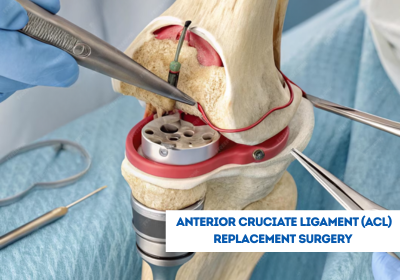
anterior cruciate ligament repair surgery in india

Anterior Cruciate Ligament (ACL)

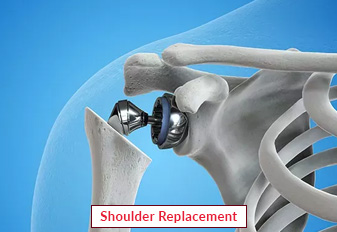
Shoulder Replacement Surgery In India

Shoulder Replacement

knee replacement surgery in india

Knee Replacement Surgery

Require Assistance?

Stay Informed

Immunotherapy for Lung Cancer in India:Cost, Success Rate & Treatment

Lung cancer is the most commonly diagnosed cancer across the globe and it serves as the primary reas...

Medical Visa from the UK to India: Easy Steps for Patients

Are you planning to travel from the United Kingdom to India for your treatment but uncertain about t...

Medical Visa from Germany to India – Eligibility, Documents & Application Process

Planning to travel from Germany to India for medical treatment? Confused about the steps involved in...